1. Bath
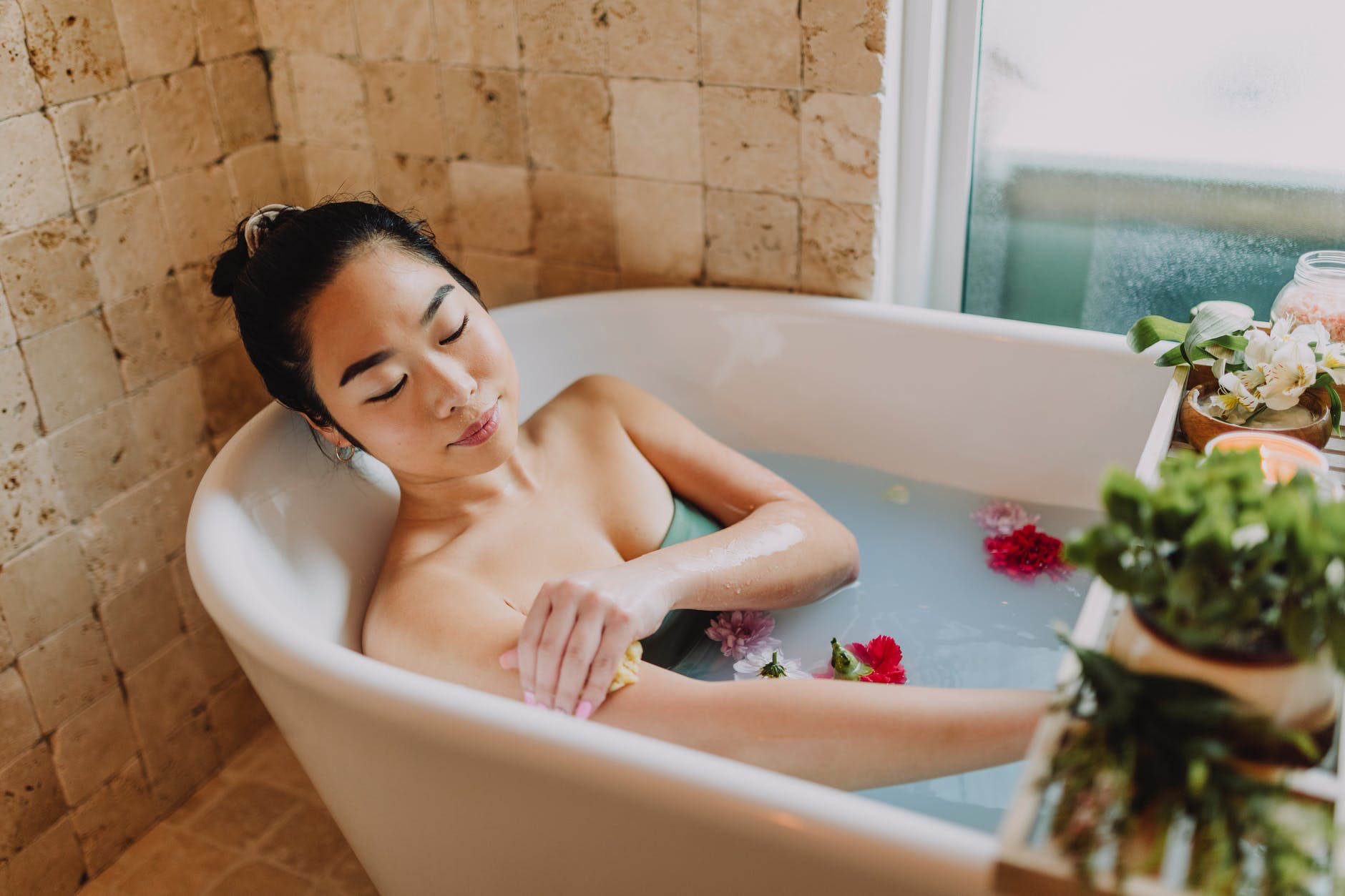
Doing postures of yoga come easier after taking a bath. After doing them, the body feels sticky due to perspiration and it is desirable to bathe some fifteen minutes later. Taking a bath or a shower both before and after practising postures of yoga refreshes the body and mind.
2. An Empty Stomach

Practice of yoga postures should preferably be done on an empty stomach. If this is difficult, a cup of tea or coffee, cocoa or milk maybe taken before doing asanas. They may be practised without discomfort one hour after a very light meal. Allow at least four hours to elapse after a heavy meal before starting the practice. Food may be taken half an hour after completing the asanas.
3. Time
The best time to practices is either early in the morning or late in the evening. In the morning, the practices do not come easily as the body is stiff. The mind however, is still freah but its alertness and determination diminish as time goes by. The stiffness of the body is conquered by regular practice and one is able to do the postures well. In the evening, the body moves more freely than in the morning, and the practices come better and with greater ease. Practice in the morning makes one work better in one’s vocation. In the eveningit removes the fatique of the day’s strain and makes one fresh and calm.
Sun
Do not practise yoga postures (asanas) after being out in the hot sun for several hours
4. Place
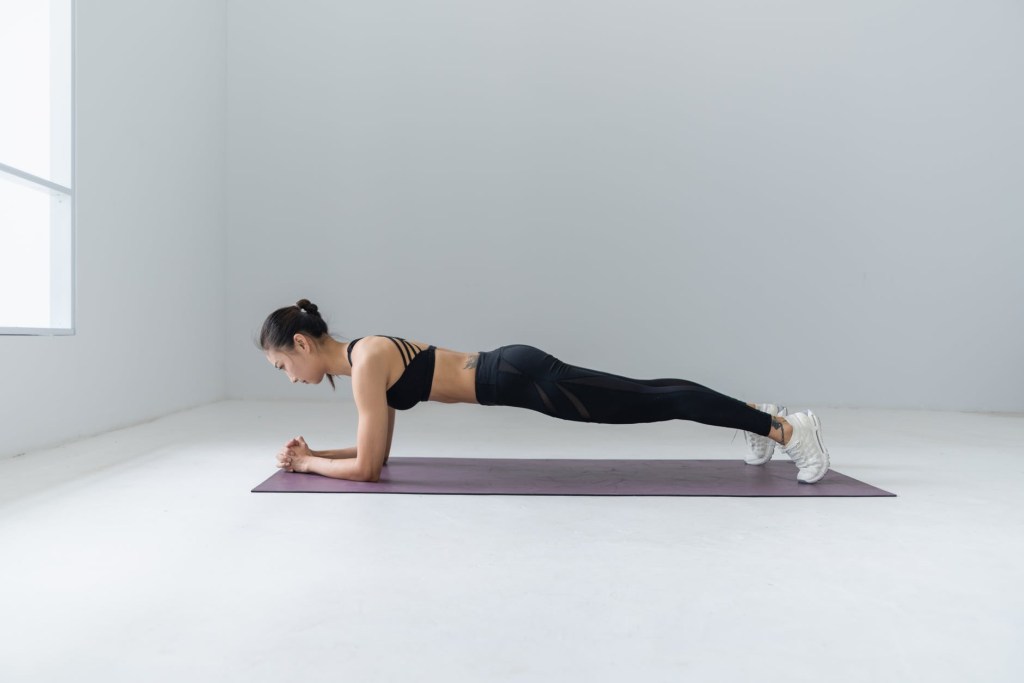
The recommended place to do yoga practice in a clean airy place, free from insects and noise. Do not do on the bare floor or on an uneven place, but on a folded blanket laid on a level floor.
5. The Eyes
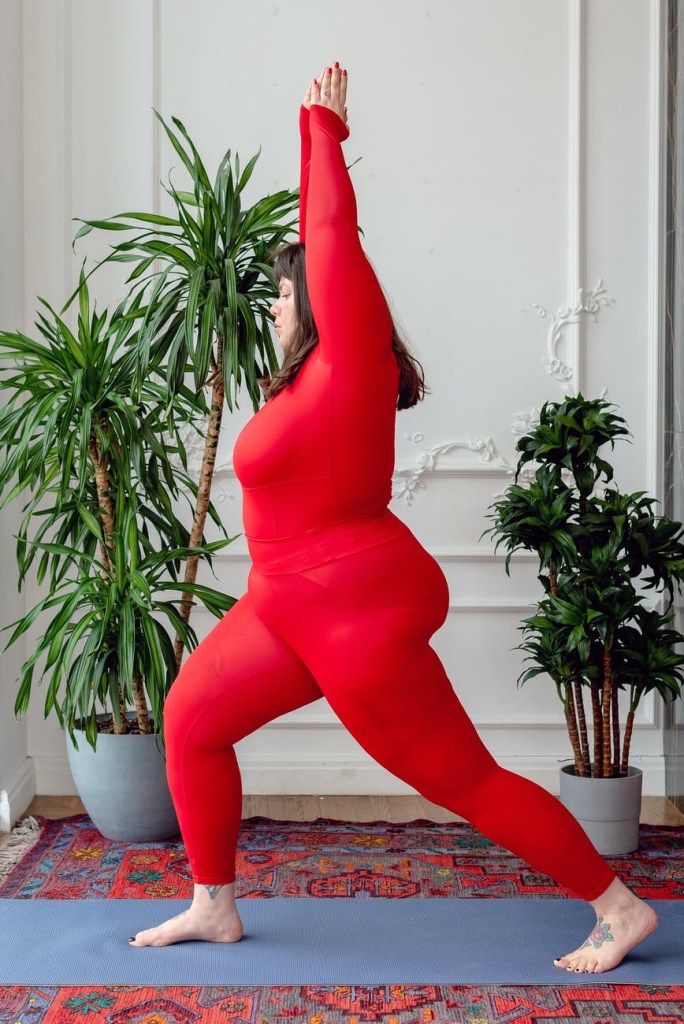
In the beginning, keep the eyes open. Then you will know what you are doing and where you go wrong. If you closed your eyes you will not be in a position to watch the requisite movements of the body or even the direction in which you are doing the pose. You can keep your eyes closed only when you are perfect in a particular asana for only then will you be able to adjust the bodily movements and feel the correct stretches.
6. Breathing
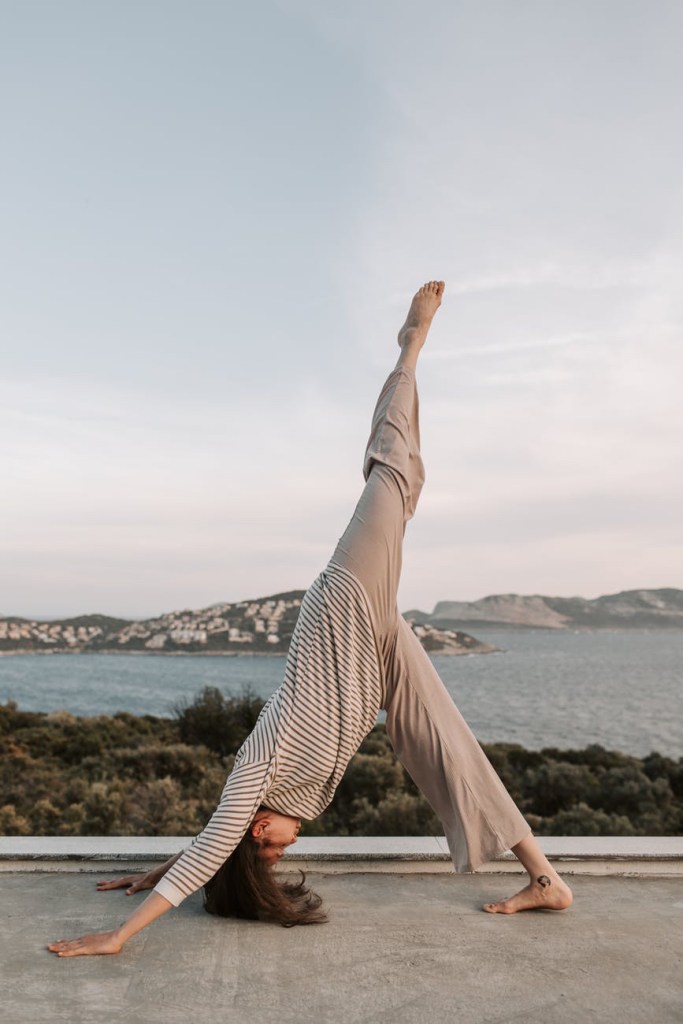
In all the asanas, the breathing should be done through the nostrils only and not through the mouth. Do not restrain the breath while in the process of the asana or while stayin it. Follow the instructions regarding breathing given in the technique sections of the various asanas as described hereafter.
7. Closing posture (Savasana)
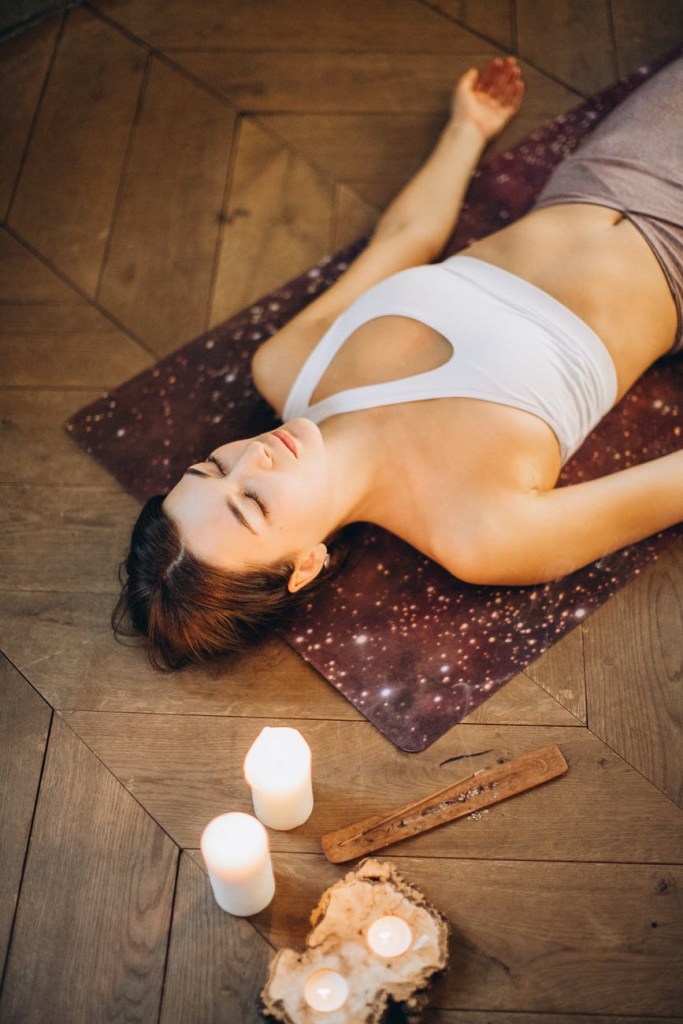
After completing the practice of asanas always lie down in Savasana for at least 10 to 15 minutes, as this will remove fatigue.
8. Special Warning
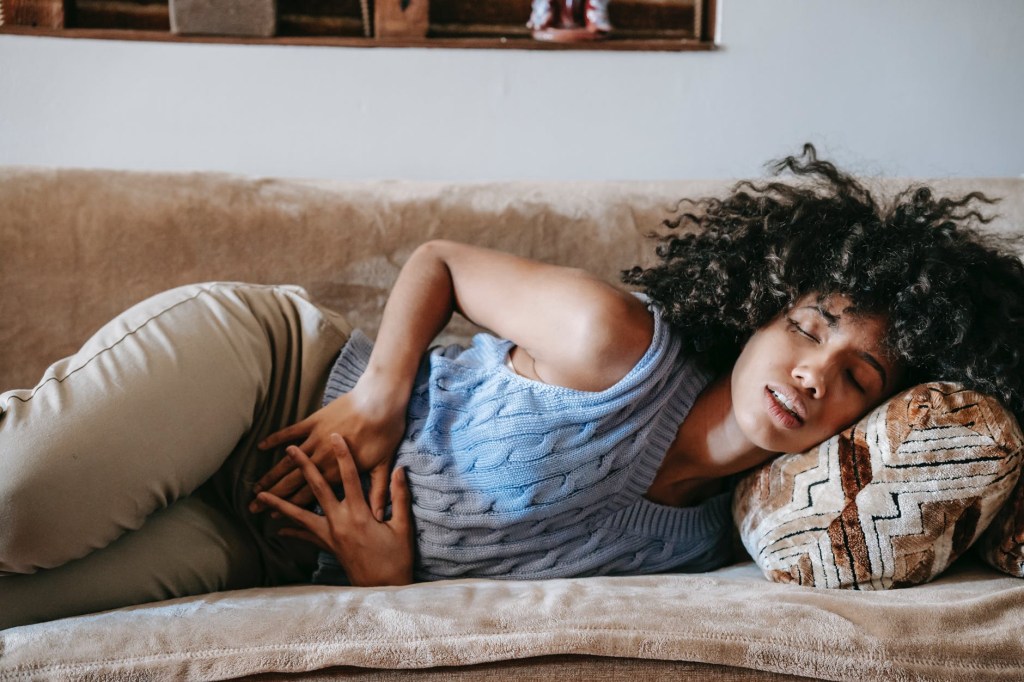
Menstruation: Avoid asanas during the menstrual period. But if the flow is in excess of normal, wide angle seated forward (Upavistha konasana), bound angle pose (Baddha Konasana), hero pose (Virasana), Head to knee forward bend pose (Janu Sirsasana), seated forward bend pose (Paschimottanasana) and standing forward fold (Uttanasana) may be performed with beneficial effect. On no account stand on your head during the menstrual period.
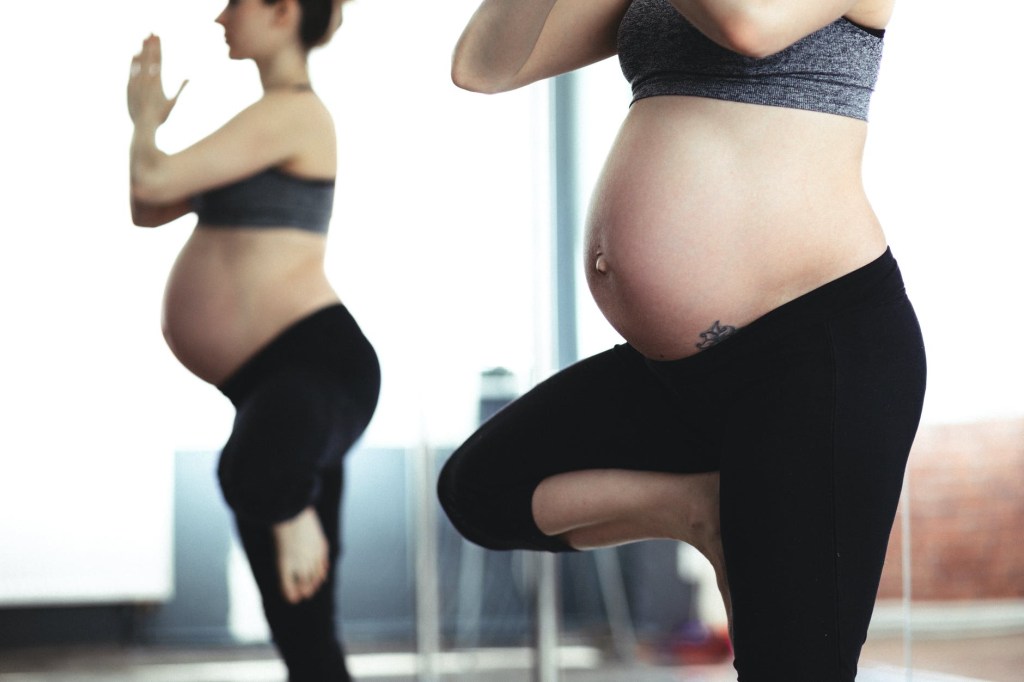
Pregnancy: All the asanas can be practised during the first three months of pregnancy. All the standing poses and the forward bending asanas may be taken with mild movements, for at this time the spine should be made strong and elastic and no pressure should be felt on the abdomen.
Reference : The book of Inyengar ( Light on Yoga)
 Yoga For Healthy